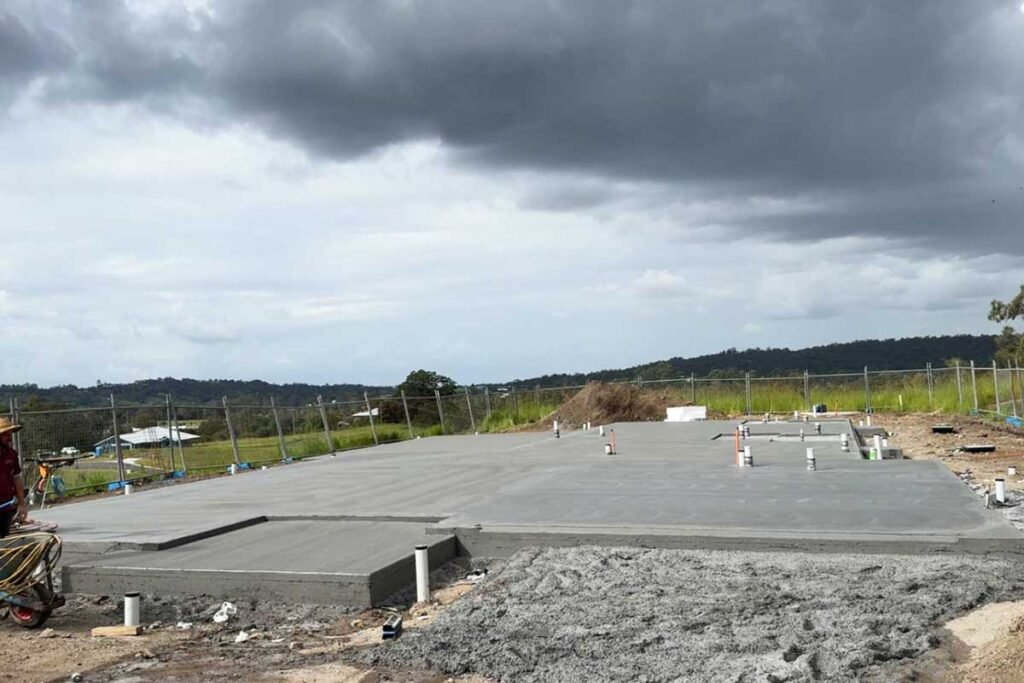
Concrete is one of the strongest and most durable building materials available, but many homeowners are surprised to see small cracks appear after a new slab or driveway has been completed. While the word ‘crack’ often causes concern, not every crack indicates a serious problem. Understanding why concrete cracks and recognising the difference between normal movement and structural issues can help you make informed decisions and protect your investment.
Why Does Concrete Crack?
Concrete naturally shrinks as it cures and loses moisture. This shrinkage places stress on the surface and can result in small hairline cracks. Environmental conditions such as warm weather, wind and rapid drying may also contribute to minor cracking during the curing process. In most cases, these small cracks are cosmetic and do not affect the strength or durability of the concrete.
Shrinkage Cracks vs Structural Cracks
Shrinkage Cracks
Hairline cracks that appear during the curing process are generally considered normal. They are usually narrow, remain relatively consistent over time and rarely affect the structural performance of the slab.
Structural Cracks
Larger cracks, uneven surfaces or cracks that continue to widen over time may indicate movement beneath the slab or inadequate support. These situations should be assessed by an experienced concreting professional to determine the cause and any necessary repairs.
The Importance of Control Joints
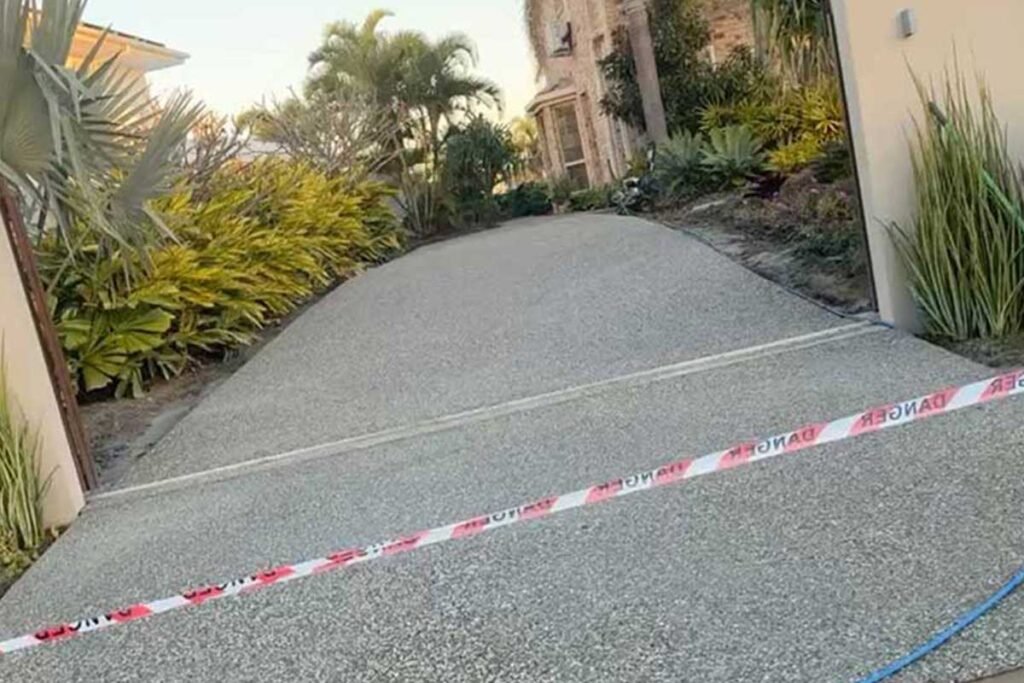
Control joints are planned cuts or grooves placed into concrete to encourage cracking in predetermined locations. Rather than allowing concrete to crack randomly, these joints help manage natural movement and improve the overall appearance of the finished surface. Proper joint placement is an important part of quality concrete construction.
How Quality Workmanship Reduces Cracking
Although no contractor can guarantee completely crack-free concrete, experienced workmanship can significantly reduce the likelihood of major issues. Proper site preparation, a stable base, correct reinforcement, suitable concrete thickness and careful curing all contribute to a stronger, longer-lasting result. Attention to these details helps minimise unnecessary movement and supports long-term performance.
Final Thoughts
Most concrete develops some minor shrinkage cracking as part of the normal curing process. Understanding the difference between cosmetic and structural cracks allows homeowners to make informed decisions and seek professional advice when required. If you’re planning a new slab, driveway or outdoor concrete project, OZI Concreting delivers quality workmanship designed to provide durable, long-lasting concrete solutions across North Brisbane.